The History of Lower Seletar Reservoir
Lower Seletar Reservoir is one of the major water bodies in Yishun - one that many residents grew up with. Let's take this time to look into its history and learn how it came about.
Before the Reservoir
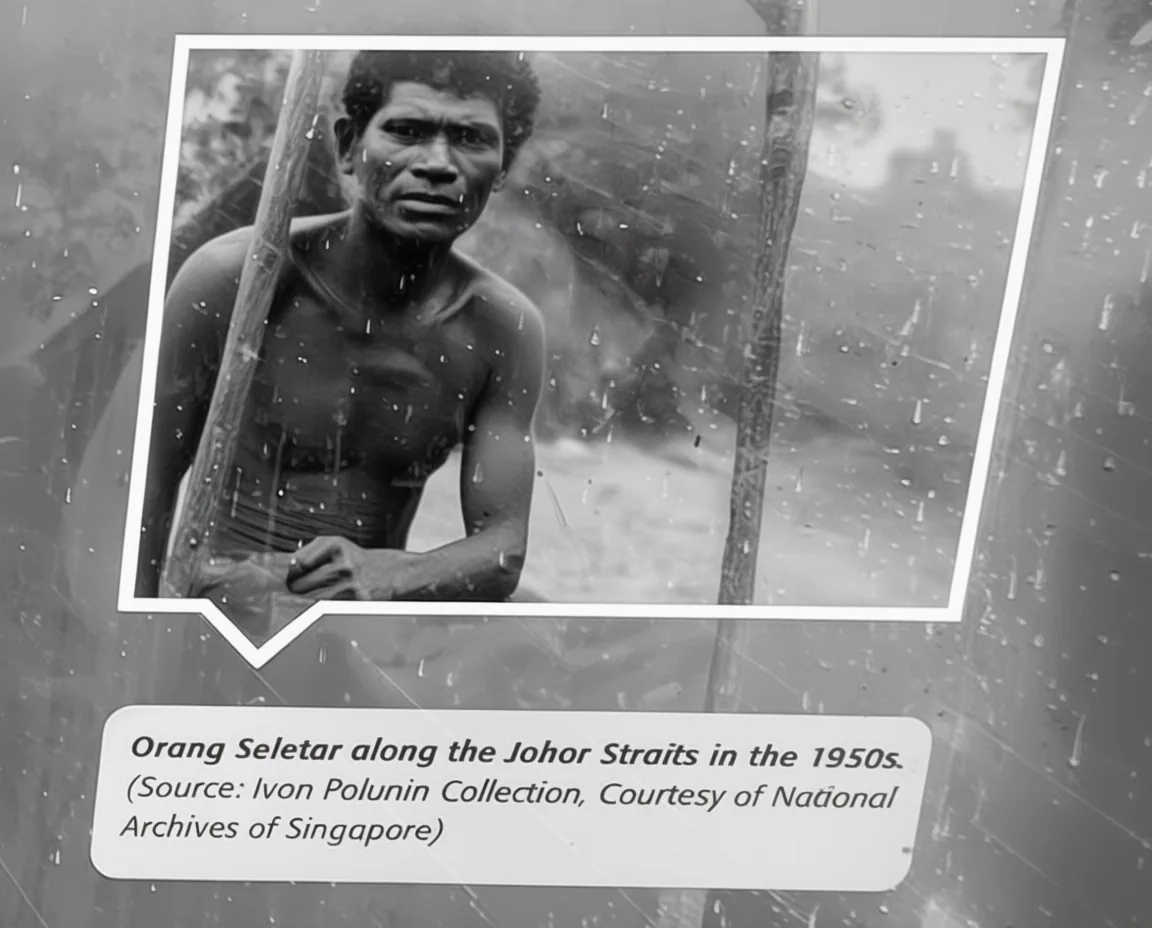
Before the construction of Lower Seletar Reservoir in 1986, the Seletar River (or Sungei Seletar in Malay) flowed through the area, surrounded by forests, plantations, and farms. This river was a vital waterway for the communities living in its vicinity. The Orang Seletar, a nomadic tribe known for their houseboats, made the Seletar River their home. These skilled hunters possessed extensive knowledge of the local mangroves and forests, often trading herbs they foraged for essential goods like tobacco and kerosene.
The Orang Seletar's lifestyle was deeply intertwined with the river, which provided them with food and a means of transportation. Their presence along the waterway lasted until the 1980s, when urbanization led most of them to migrate to Johor, while others assimilated into the local Malay community.
Historical Mentions of the Seletar River
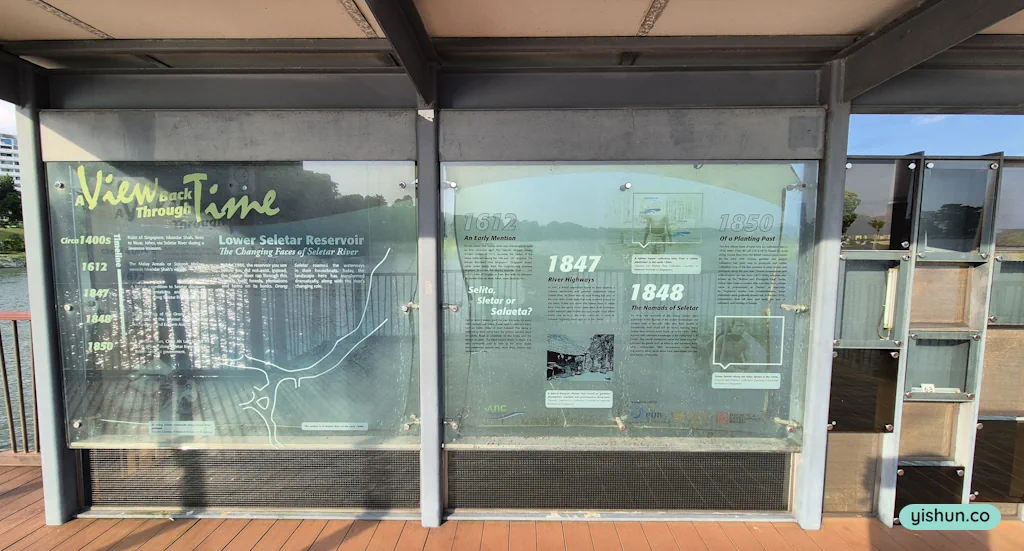
The Seletar River has been mentioned in historical texts for over four centuries. One of the earliest references comes from the "Sejarah Melayu" (Malay Annals), written in 1612, which chronicles the history of the Malay Sultanate during the 14th and 15th centuries. The text narrates how Iskandar Shah, the ruler of Singapore around 1344 to 1414, fled via the Seletar River to Muar, Johor, likely in 1401, to escape an attack from the Javanese kingdom.
Back then, there were different spellings of Seletar, including Selita, Sletar and Salaeta.
Part of our Water Security Plan
As Singapore’s population grew and urbanization expanded, the demand for freshwater sources increased. To address this, the Singapore government initiated several projects aimed at enhancing water security. Construction of a dam across the mouth of the Seletar River (Sungei Seletar) began in 1983, with the primary goal of creating an impounding reservoir to collect stormwater from upstream urbanized areas.
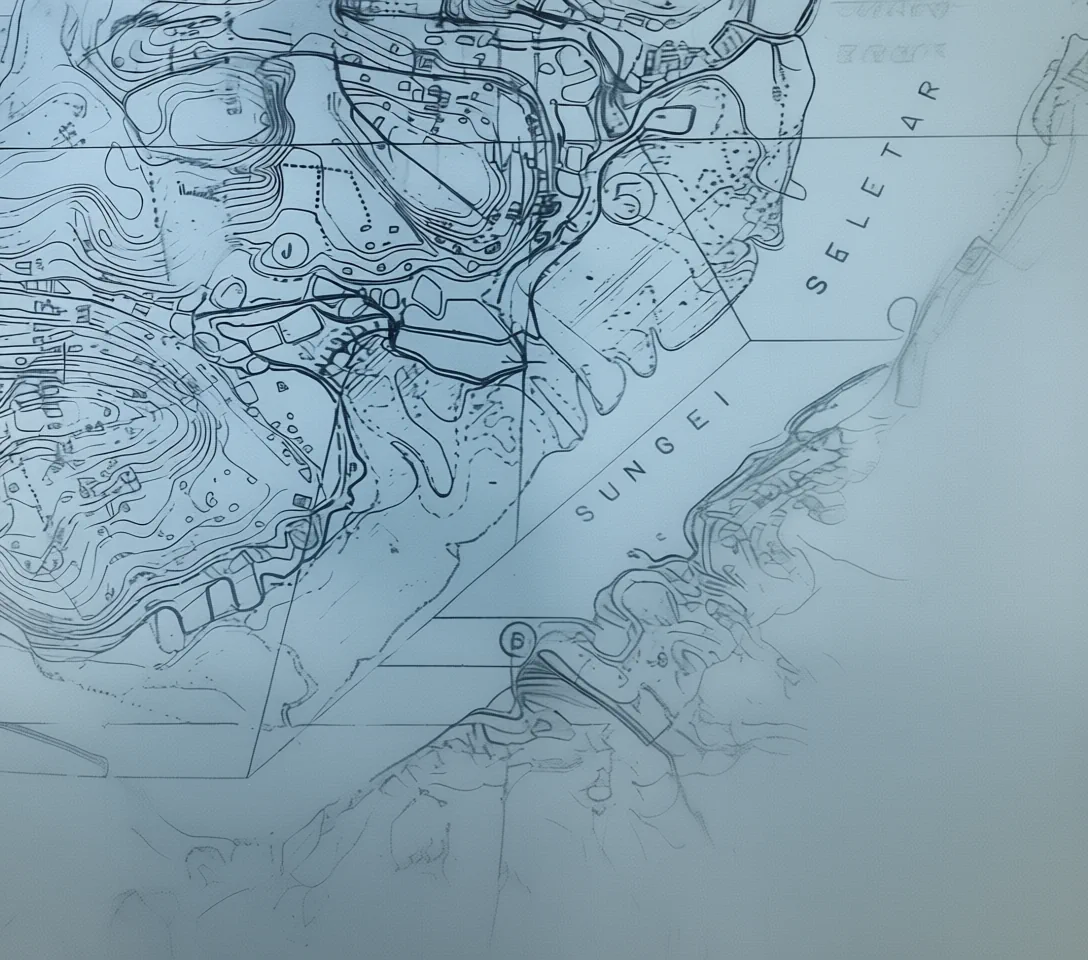
The project was part of a broader strategy to develop Singapore’s water infrastructure, ensuring a reliable supply of clean water for its residents. The reservoir was completed in 1986 and was initially named Sungei Seletar Reservoir.
In 1992, it was renamed Lower Seletar Reservoir to better reflect its location and significance.
Lower Seletar Reservoir Today
Today, Lower Seletar Reservoir covers an area of approximately 3.6 km2 and reaches a maximum depth of about 5.5 meters. The reservoir is bordered by several major roads, including Yishun Avenue 1, Lentor Avenue , Seletar West Link and Yishun Dam.
The dam that forms the reservoir has played a crucial role in managing stormwater runoff, helping to mitigate flooding in nearby urban areas. The reservoir also functions as a recreational space, offering opportunities for activities such as fishing, kayaking, and jogging along the scenic paths that line its shores.
Life at Lower Seletar Reservoir
Lower Seletar Reservoir is not just a water source but also an important ecological zone. The area surrounding the reservoir is home to various plant and animal species, contributing to the region's biodiversity. Efforts have been made to preserve and enhance the natural habitats in the vicinity, promoting ecological balance and sustainability.
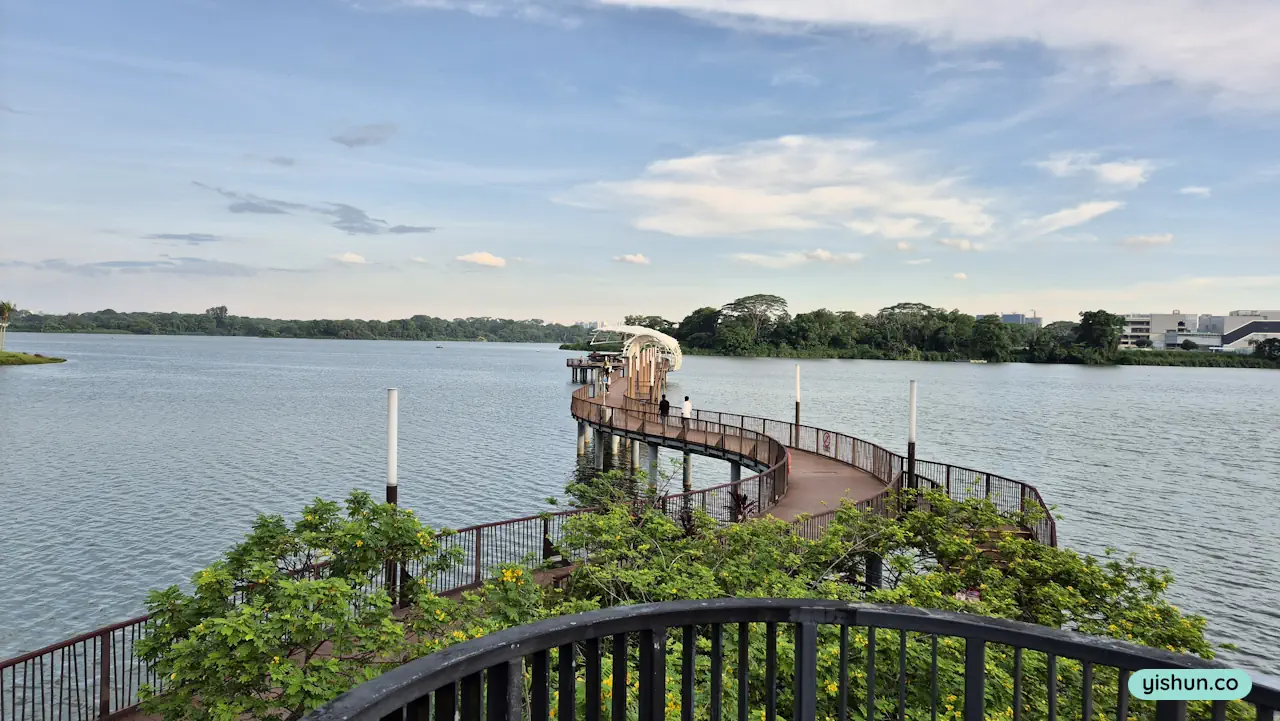
Bird watching is a popular activity at the reservoir due to the diverse bird species that inhabit the area. The presence of mangroves and wetlands around the reservoir supports various aquatic life, including fish and crustaceans, making it an attractive spot for anglers.
Lower Seletar Reservoir offers a range of recreational activities that allow visitors to engage with the natural environment. The reservoir is equipped with facilities such as picnic areas, jogging paths, and fishing spots. These amenities encourage both locals and tourists to spend time outdoors, promoting a healthy lifestyle and appreciation for nature.
In addition to recreational activities, the reservoir serves as a venue for community events and educational programs focused on environmental conservation. Schools and organizations often conduct programs to raise awareness about water conservation and the importance of preserving natural ecosystems.
History Roundup
What a history, right? From the 1300-1400s with Iskandar Shah, ruler of Singapura, to the 1900s with the Orang Seletar, to 1986 when Sungei Seletar Reservoir was built by creating a dam for Sungei Seletar at Yishun (the Yishun Dam) and finally, in 1992 when the reservoir was renamed to the Lower Seletar Reservoir. Hope you discovered something new today too!