Mar 16, 2023
What's in a Name? The Many Faces of Yishun
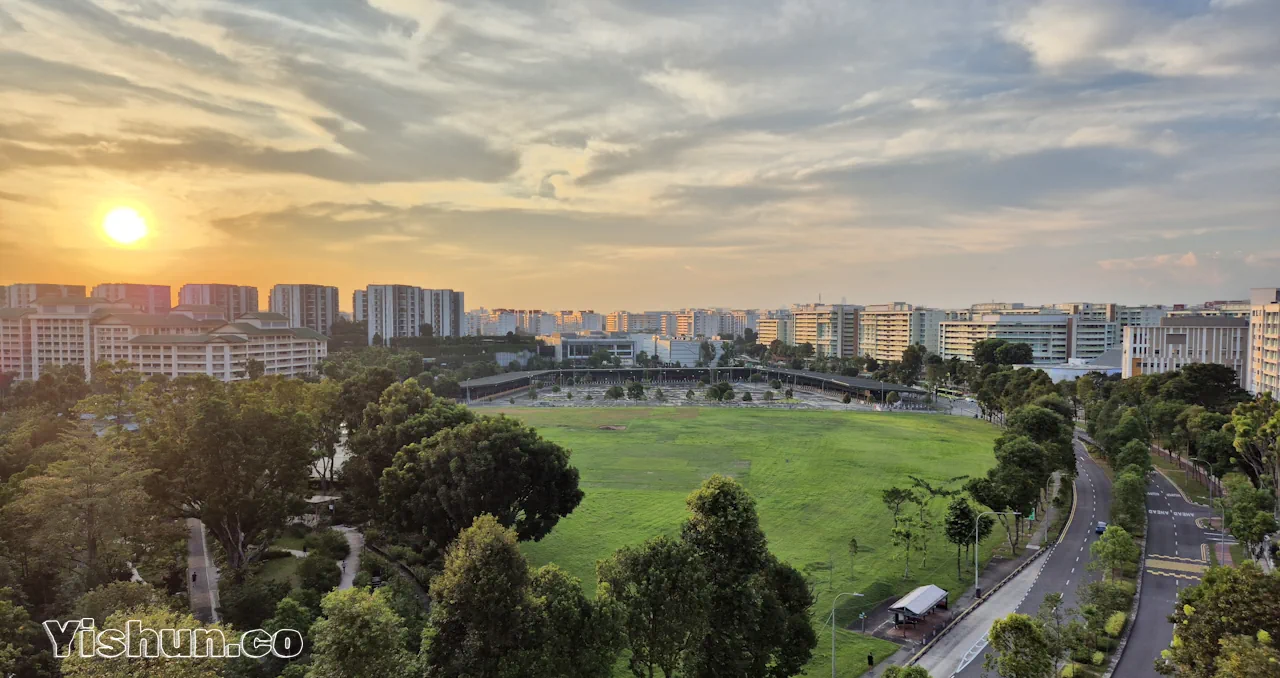
As with any place that exudes mystery and charm, Yishun is a place historically and geographically affiliated with many names - Nee Soon, Chong Pang, Khatib, Lower Seletar and Chye Kay Village. Let's break down what each of these names refer to.
From Pepper to Pineapple: The Origin of Nee Soon
Picture this: the 1980s, a time of growth and development. But before the modern Yishun emerged, the land was a lush tapestry of pepper and pineapple plantations. This land was originally known as Nee Soon, a name that pays homage to Mr. Lim Nee Soon himself, the legendary ‘pineapple king’ and rubber magnate. Nice to have a whole town named after you, right?
Now, "Nee Soon" is actually the Teochew version of his name. Most Chinese in Singapore are descendants of immigrants from China and Teochew is a dialect spoken by the Teochew ethnic group, who originate from the Chaoshan region in eastern Guangdong province of China.
The Mandarin Wave That Led to 'Yishun'
As Mandarin emerged as the widely spoken Chinese language after the Speak Mandarin Campaign by the government in 1979, the town became known as Yishun — the Mandarin pronuciation of Lim’s Teochew name and its present-day name. The written name is 义顺 in simplified Chinese and 義順 in traditional Chinese.
Chong Pang: A Village That Stood the Test of Time
Let’s bounce over to Chong Pang, a name steeped in history! This area was once a thriving village known as Westhill Village, inhabited mainly by rubber tappers and farmers. With a rich past that included a vibrant Indian community and a bustling market, Chong Pang flourished under the stewardship of Lim Chong Pang, son of Lim Nee Soon.
Renamed in 1956 to honor Lim Chong Pang’s contributions, the village became a haven for families. Today, Chong Pang proudly stands as a housing estate in Yishun, echoing the vibrant memories of its lively market days while preserving remnants of its village past in its architecture.
Khatib: A Name with Spiritual Roots
Now, let’s explore Khatib, a subzone of Yishun that carries an Arabic flair. Named after the nearby Sungei Khatib Bongsu, Khatib is derived from the Arabic word for the person who delivers sermons during prayers. This area was once part of Lim Nee Soon’s plantations, contributing to the agricultural tapestry of Yishun. With its serene surroundings, Khatib offers a peaceful retreat, inviting visitors to pause and reflect on its rich heritage.
Lower Seletar: Nature’s Embrace
Next on our adventure is Lower Seletar, named after the planning area of Seletar, which draws its title from the indigenous Orang Seletar. This subzone is home to the beautiful Lower Seletar Reservoir, where you can enjoy a leisurely stroll or a fun-filled day of water activities. With nature as your backdrop, Lower Seletar is a picturesque spot perfect for unwinding after a day of exploring!
Chye Kang Village: A Glimpse into Yishun’s Past
And we can’t forget about Chye Kang Village, a name that hints at Yishun’s roots before it blossomed into a modern town. Though it has faded from the maps, the spirit of the village lives on in the hearts of those who remember its charm.
A Town of Many Names
So, what’s in a name? In Yishun, it’s a delightful mix of history, culture, and community. Each name—whether it’s Nee Soon, Yishun, Chong Pang, Khatib, Lower Seletar, or Chye Kang—tells a tale of the land, its people, and their dreams. As you wander through Yishun, take a moment to appreciate the stories behind each name, and perhaps you’ll find a little piece of yourself in this vibrant town.